


HOT PRODUCT | LOW STOCK
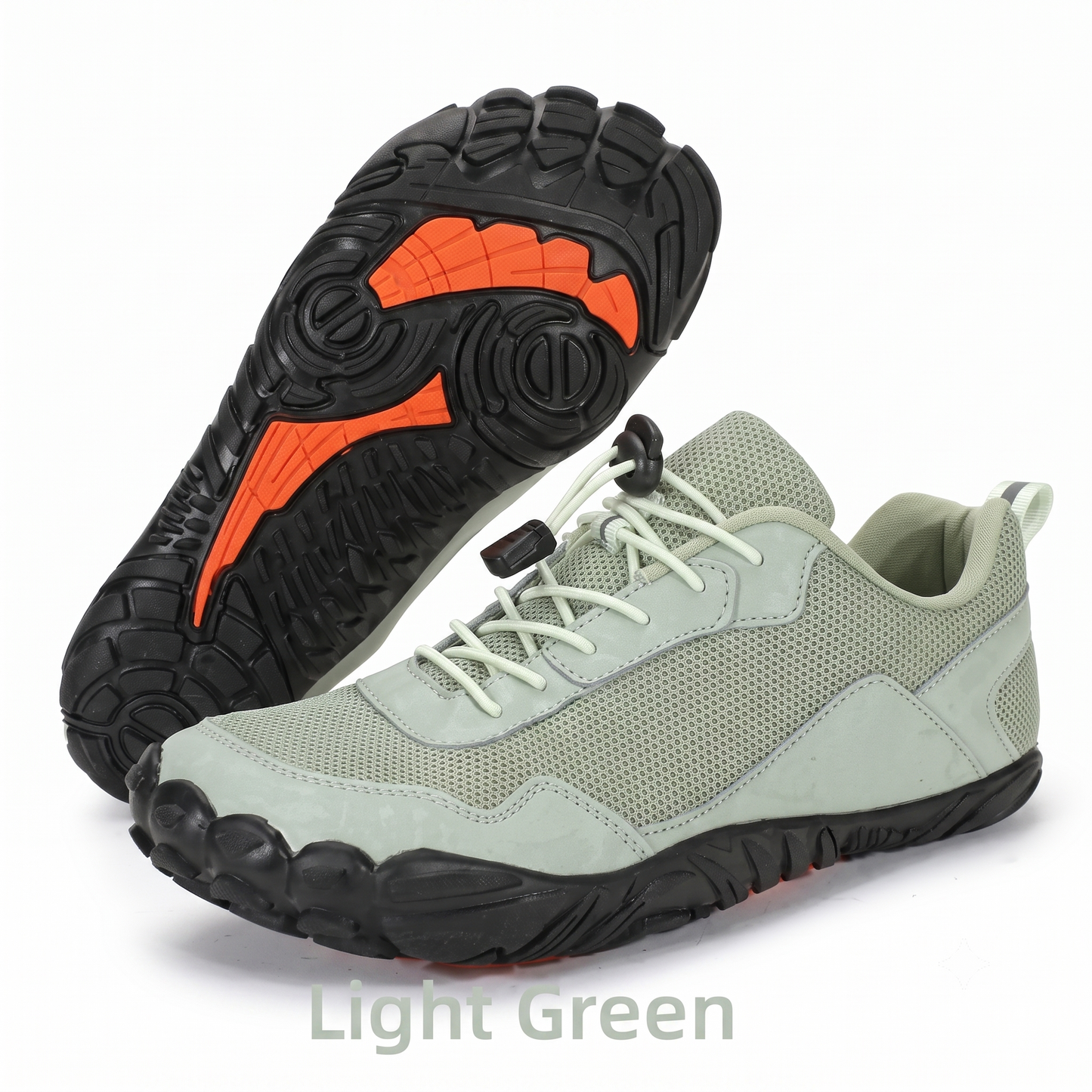
Frostvant™ Alpine | Padded Barefoot Boots
Frostvant™ Alpine | Padded Barefoot Boots
✔️ Supports Natural Grounding & Full-Body Balance
✔️ Instantly Reconnect Your Feet with the Earth
✔️ Stronger Legs, Lighter Steps, Less Foot Pain
BUNDLE & SAVE
Couldn't load pickup availability
Frostvant™ Alpine | Padded Barefoot Boots
Shipping & Return
Shipping & Return
Orders typically take 7–14 business days in transit. Please allow 12–48 hours for quality inspection, processing, and tracking details to be issued.
Frostvant offers hassle-free returns within 60 days of delivery.
If anything seems off with your order, contact our support team at Support@frostvant.com and we’ll help you right away.


Sizing Chart
| Size | Chest | Length | Shoulder |
|---|---|---|---|
| S | 95cm | 61cm | 44cm |
| M | 102cm | 66cm | 46cm |
| L | 106cm | 71cm | 48cm |
| XL | 111cm | 74cm | 51cm |
Give your customers further information about choosing the correct size.


Barefoot Freedom, All Day Long
-

Wide Toe Box
Room for your toes to spread and relax naturally—no more cramped, squished feet after a long day.
-

Zero-Drop Sole
A flat, natural base that keeps your posture aligned and helps your feet and legs work the way they're meant to.
-

Lightweight & Flexible
Bends and moves with every step, so light you'll forget they're on—perfect for yoga, walking, or all-day wear.
-

Slip-On & Go
Easy on, easy off, and packs down small—grab them for the studio, errands, or tossing in your travel bag.
 Wide Anatomic Fit
Shaped to follow your foot's natural lines, giving your toes room to spread out—no pinching, no pressure, just all-day comfort.
 Airy & Breathable
Lightweight mesh keeps air moving around your feet, so they stay cool and fresh even after hours of wear.
 Dries in a Flash
Quick-drying fabric shrugs off sweat and water, ready to go again whether you're at the studio, on a walk, or traveling.
 Built to Perform
Pair text with an icon to focus on your chosen product, collection, or blog post.

Break Free from Rigid Shoes
Picture yourself walking, standing, and moving all day long—with no aching feet, tired legs, or sore back to slow you down.
That's exactly what Frostvant Flow is made for.

What Wearers Feel Within 60 Days
90%
Enjoyed More Toe Comfort & Less Pressure from the Roomy Toe Box.
90%
Felt Less Tired in Their Feet & Legs Through the Day.
90%
Built Stronger Ankles & Calves from the Zero-Drop Design.
Hear It Straight From Our Customers
-
★★★★★
I finally found shoes that don't hurt..
I'm 58 and have dealt with aching feet for years—after an hour in regular sneakers, the pad of my foot would start to throb. I'd tried Hoka, Skechers, even expensive walking shoes, and nothing lasted. My Frostvant Flow shoes are the first pair I can wear all day without that pain creeping in. Walked all over the city last weekend, close to 15,000 steps, and my feet felt fine. They feel light, roomy in the toes, and just easy. Wish I'd bought them a year ago.

-
★★★★★
So light I forget I'm wearing them..
Bought these mainly for the gym and daily errands and they've turned into the only shoes I reach for. The toe box gives my toes actual room to spread out, which no other shoe has done for me. They grip really well on smooth floors, bend naturally with my foot, and pack down small enough to throw in my bag when I travel. Took a few days to adjust to the barefoot feel but now normal shoes feel like clunky bricks. Ordering a second pair.
-
★★★★★
Great for all-day wear, minor note on rain
I'm on my feet at least 8 hours a day and needed something that wouldn't wreck my feet. These have been working out really well—comfortable, tons of toe room, and they don't squeeze the parts of my foot that usually hurt in other shoes. My legs feel less tired at the end of a shift too. Only small thing: they're not the warmest in cold weather, so I'd pair them with thicker socks in winter. Otherwise, really happy with them.


FAQs
What Are the Health Benefits of Barefoot Shoes?
What Are the Health Benefits of Barefoot Shoes?
The benefits are many, but one of the biggest is that barefoot shoes—with their zero-drop sole—train your feet to depend less on the shoe and more on their own natural strength. Over time, that means better posture, a smoother stride, and improved overall movement.
Another key benefit is the wide toe box. Instead of squeezing your toes together like most regular trainers do, it gives them space to sit naturally—for greater stability, better balance, and far more comfort with every step.
Barefoot shoes are built to let your feet move freely and naturally, without holding back a single motion.
Are They a Good Choice for People with Plantar Fasciitis?
Are They a Good Choice for People with Plantar Fasciitis?
Barefoot shoes are made to let your feet move as freely and naturally as they would with nothing on at all.
Regular athletic shoes do the opposite—arch supports, thick padding, and raised heels all get in the way of how your feet are meant to move.
So here's the thing: when your feet are free to move, they get stronger. And stronger foot muscles can help protect against issues like plantar fasciitis over time.
That said, if you've never worn barefoot shoes before, don't jump straight into wearing them all day, every day. Everyone's feet adjust at their own pace, so give yours time to ease in gradually.
But in the long run, stronger feet are the payoff—and that can make a real difference for anyone dealing with plantar fasciitis, metatarsalgia, or other foot inflammation.
Can I Use My Own Insoles?
Can I Use My Own Insoles?
Absolutely-feel free to swap in your own insoles if that's what you're used to. Just keep in mind that the original Frostvant™ insoles are shaped specifically to match the shoe's barefoot design, so you'll get the most natural fit and feel by sticking with them.